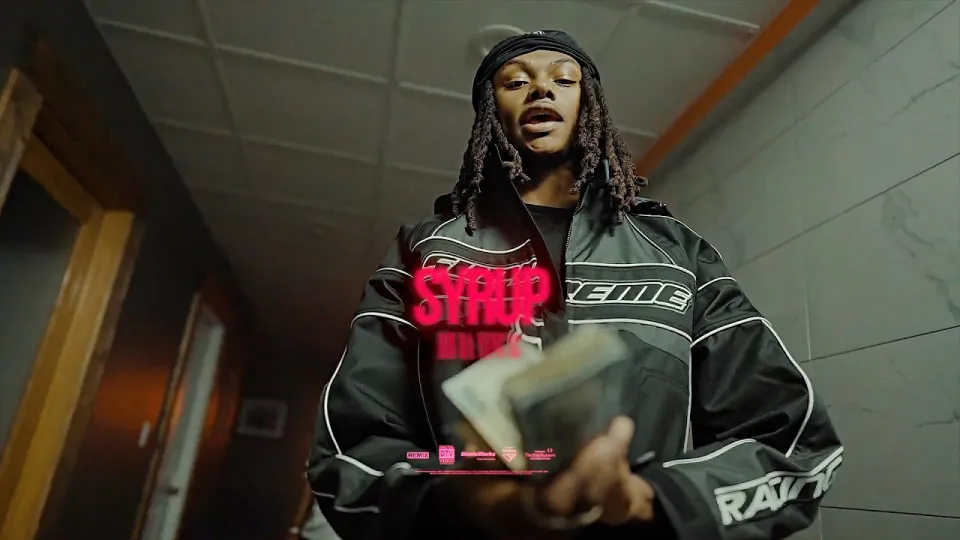
Detroit beat or Flint beat for Rio Da Yung Og and Babyfxce E style tracks
Want articles like this for your own video to promote it on YouTube and Google? Order them through the Telegram bot @sat_sit_bot. Articles with your video embedded are written and posted by the bot itself — on popular topical sites (no ads). Your first 50 articles are free.
· based on the channel Reuel StopPlaying
Key takeaways
- A Detroit type beat is built on sparse, punchline-friendly drums, a looping melodic sample and room for deadpan, conversational delivery.
- The free "Syrup" beat by Reuel StopPlaying is licensed for non-profit, promotional and personal use only, with written credit required.
- Commercial or for-profit use of the free download requires a non-exclusive or exclusive license.
- Required credit format: "Produced by (Producer Name) for SoundFirst Productions".
- Detroit and Flint share tempo range and dark samples, but Flint leans harder on distorted 808s and aggressive chant hooks.
A Detroit beat is the production style built around sparse, punchy drums, a short looping melodic sample and a lot of empty space for deadpan, conversational rapping, and that is exactly the template behind the free Rio Da Yung OG x Babyfxce E type beat "Syrup" from producer Reuel StopPlaying. You can grab the beat and its license terms here before you record anything. The style rewards punchlines over polish, so the beat has to stay out of the rapper's way.
What actually makes a Detroit beat sound like Detroit
A Detroit beat is defined less by a single drum kit than by restraint: few elements, short loops, and a mix that leaves the vocal exposed. Producers in the Rio Da Yung Og and Babyfxce E lane typically work at a moderate, unhurried tempo, keep the kick and snare dry and forward, and repeat a two- or four-bar melodic figure until the repetition itself becomes the hook. The result is a track where the rapper's voice carries the rhythm, not the production.
Three practical markers show up again and again:
- A looping sample or simple melodic phrase, often pitched and filtered rather than layered with many instruments.
- Drums that hit hard but stay minimal, with the snare doing most of the punctuation.
- Deliberate empty bars and dropouts so a punchline lands without competition.
That last point is why the comment section under beats like this fills up with people saying they suddenly want to write a verse. Space is an invitation.
Detroit beat vs Flint beat: where the line blurs
Flint and Detroit are neighboring scenes with overlapping artists and shared producers, so the two terms get used almost interchangeably, but the Flint variant usually pushes distortion and aggression further. Flint-style beats tend to lean on harder, often clipped 808s, rougher sample chops and chant-ready hooks, while Detroit-style beats stay a bit more conversational and deadpan. A single beat can sit in both camps, which is why a Rio Da Yung Og x Babyfxce E type beat gets tagged as Detroit and Flint at once.
For a rapper, the practical difference is delivery. If you plan to rap in a flat, matter-of-fact tone with dense wordplay, a Detroit-leaning beat gives you room. If you want shouted ad-libs and a heavier low end, push toward the Flint side of the same tempo range.
How to use the free "Syrup" beat legally
Free means free for non-profit use, not free for release, and the license on this beat spells that out clearly. The producer allows free downloads for personal, promotional and non-profitable purposes: free demos, streaming your recording on YouTube or similar platforms, and live shows that do not generate profit. Anything that makes money is outside the free license.
The steps to stay compliant:
- Download the beat through the producer's link and keep a record of the download.
- Write the credit exactly as specified: "Produced by (Producer Name) for SoundFirst Productions".
- Place that credit in every distribution of the recording, including the description of any streaming upload.
- If written credit is genuinely impossible, use a recorded vocal credit instead.
- Contact the producer for a non-exclusive or exclusive license before any commercial release, monetized upload or paid performance.
The producer also reserves the right to change the policy, so check the current terms at the source rather than relying on a screenshot of an old description.
Why the sample and the producer tag get so much attention
Listeners react to two things first on a beat like this: the tag and the source material. A distinctive producer tag acts as a signature, and audiences treat it as part of the song rather than an interruption. The same goes for a recognizable vocal or melodic sample, which can make a track feel familiar on first listen and give a rapper an instant emotional anchor.
That familiarity cuts both ways. A sample everyone recognizes can make a serious verse sound comedic, and a hook that is too on-the-nose can undercut the mood. The fix is usually performance: play it straight, let the beat be the joke if there is one, and keep the vocal tone consistent with the sample's mood. Producers building Detroit-style beats often choose obscure or heavily processed chops for exactly this reason.
Common questions rappers ask before recording
Most hesitation around type beats comes down to three things: whether the beat fits your voice, whether you can release it, and how to start writing. On fit, record a 30-second test verse before committing; if your voice sits above the sample without EQ surgery, the beat works for you. On release, the free license covers promotion only, so any monetized platform requires a paid license. On writing, start from the drums rather than the melody, since the pocket in this style lives in the snare placement.
A practical workflow for a Detroit-style verse:
- Loop the beat for ten minutes and freestyle without writing to find the pocket.
- Mark the two-bar gaps where the sample drops and save your strongest line for those spots.
- Keep the ad-libs low in the mix so the deadpan delivery stays intact.
- Record the hook first if the beat has a chant-friendly section.
Useful links
- Beat download and license: https://bit.ly/2mxSONh
- Producer on Twitter: https://twitter.com/reuelethan
- Producer on Instagram: http://instagram.com/Reuelethan
The verdict on this Detroit type beat
A Detroit beat succeeds when it gives a rapper space, and the free Rio Da Yung Og x Babyfxce E type beat "Syrup" is built precisely for that: minimal drums, a looping melodic core and enough silence for punchlines. The main thing to understand before recording is the license, which permits non-profit and promotional use with written credit and requires a paid license for anything commercial. Treat the credit line as non-negotiable and the beat becomes a low-risk way to test a Detroit or Flint-style verse in public. This breakdown was put together by the channel Reuel StopPlaying, which publishes the beat and its usage terms. If the style fits your voice, download the beat through the official link and read the license before you upload.
Source: [FREE] Rio Da Yung OG x Babyfxce E Type Beat - “Syrup” | Detroit Type Beat · Markdown version
Questions & answers
Can I upload a song using this free Detroit type beat to YouTube?
Yes, as long as the use is non-profit and promotional, and you include the required written credit in the video description. The producer's terms allow streaming your recording on platforms like YouTube for showcase purposes. If the upload is monetized, you need a paid license first.
What exactly does the credit line have to say?
The specified format is "Produced by (Producer Name) for SoundFirst Productions", with the producer's name filled in. It must appear on every physical or digital distribution and in the description of any streamed upload. Where written credit is truly impossible, a recorded vocal credit is accepted instead.
Is a Flint type beat different from a Detroit type beat?
They overlap heavily because the scenes share artists and producers, but Flint-style beats usually push distortion, harder 808s and chant hooks further. Detroit-style beats tend to stay sparser and more conversational. Many beats, including this one, get tagged with both scenes.
Do I need a license if I only perform the song live?
Free live shows that generate no profit are covered by the free-use terms. Once a performance is paid or otherwise for-profit, you need a non-exclusive or exclusive license from the producer. The same rule applies to selling recordings that use the beat.